Standardized curcumin extract: what's inside Curafen's turmeric root extract

Updated September 2026 · reviewed by the Curafen Research Team. We are an independent information resource, not a medical provider, and this article is educational rather than medical advice.
A standardized curcumin extract is a turmeric root extract that has been processed and laboratory-tested so a fixed percentage of it — most often 95% — is curcuminoids, the active compounds in turmeric. Standardization is what turns an unpredictable kitchen spice into a supplement ingredient that delivers a consistent amount of curcumin in every capsule, which is exactly why Curafen is built around a standardized turmeric root extract rather than plain turmeric powder.
What "standardized" really means on a turmeric label, in plain English.
- The definition
- A standardized extract is guaranteed to contain a set percentage of its active compounds — for turmeric, typically 95% curcuminoids — verified by testing on each batch.
- Why it matters
- Raw turmeric powder is only about 2–5% curcuminoids and varies by crop, so standardization is the only way to know how much curcumin you are actually getting.
- The three curcuminoids
- Curcumin, demethoxycurcumin and bisdemethoxycurcumin. Curcumin is the most abundant and the marker used to standardize.
- How Curafen uses it
- A standardized turmeric root extract for a consistent curcuminoid dose, paired with BioPerine (black-pepper piperine) to aid absorption.
- Important limit
- Standardization is a quality measure, not a medical claim. Curafen is a dietary supplement, not a treatment for any condition.
If you have ever compared two turmeric labels and wondered why one lists "500 mg turmeric" and another lists "500 mg turmeric extract, standardized to 95% curcuminoids," you have run into the most important word on the shelf. That word is standardized, and it changes how you read every turmeric product — including Curafen.
What does "standardized curcumin extract" actually mean?
A standardized curcumin extract is a concentrated turmeric root extract manufactured and tested to guarantee a specific, repeatable amount of curcuminoids. When a label says "standardized to 95% curcuminoids," it promises that 95% of the extract's weight is curcumin and its two sister compounds, confirmed by testing rather than left to chance. Standardization does not make a plant stronger; it makes it consistent, so a capsule taken in January matches one taken in December.
This matters because turmeric is a natural crop. The curcuminoid content of a rhizome swings with soil, climate and storage, so without standardization "500 mg of turmeric" could mean almost anything in active terms. With it, the label number is anchored to a tested percentage — a measured serving instead of a rough guess.
What are curcuminoids, exactly?
Curcuminoids are the yellow-orange plant polyphenols in turmeric root, and they are the reason turmeric is studied at all. The group is three closely related compounds, with curcumin by far the most abundant and researched. When an extract is "standardized to 95% curcuminoids," it is this trio — not the fibre, starch and oils of the whole root — that has been concentrated and measured.
| Curcuminoid | Typical share of curcuminoids | What to know |
|---|---|---|
| Curcumin | ~75–80% | The most abundant and the most studied; the marker compound used to standardize an extract. |
| Demethoxycurcumin | ~15–20% | A naturally occurring companion curcuminoid, part of the full-spectrum profile. |
| Bisdemethoxycurcumin | ~3–5% | The least abundant of the three, also present in a quality turmeric extract. |
Because curcumin dominates the group, people often use "curcumin" and "curcuminoids" interchangeably. On a label, though, the precise phrase — curcuminoids — is what a reputable standardized extract is measured against.
Why does standardization matter for a turmeric root extract?
Standardization matters because it is the only reliable way to know how much active curcumin is in each dose, and consistency is the whole point of a daily supplement. Below are the practical reasons a standardized turmeric root extract earns its place over plain powder.
How much of raw turmeric is actually curcuminoids?
Raw, dried turmeric powder is generally only about 2–5% curcuminoids by weight, so a teaspoon of culinary turmeric holds a small amount of active compound wrapped in a great deal of plant matter. A standardized extract concentrates the curcuminoids up to roughly 95%, so a modest capsule carries what would otherwise take spoonful after spoonful.
What is the difference between turmeric powder and a standardized extract?
The difference is concentration plus verification. Turmeric powder is the whole ground root, variable and mostly non-curcuminoid; a standardized extract is a concentrated, batch-tested fraction with a guaranteed curcuminoid percentage. Both come from the same plant, but only one lets you say with confidence how much curcumin is in a serving.
Why is batch testing part of the definition?
A percentage on a label is only meaningful if it is checked. Reputable standardized extracts are assayed — commonly by high-performance liquid chromatography (HPLC) — so the stated curcuminoid content reflects what is really in the powder. "Standardized" without testing is just a marketing word; standardized and verified is a specification you can rely on.
See the exact dose in Curafen
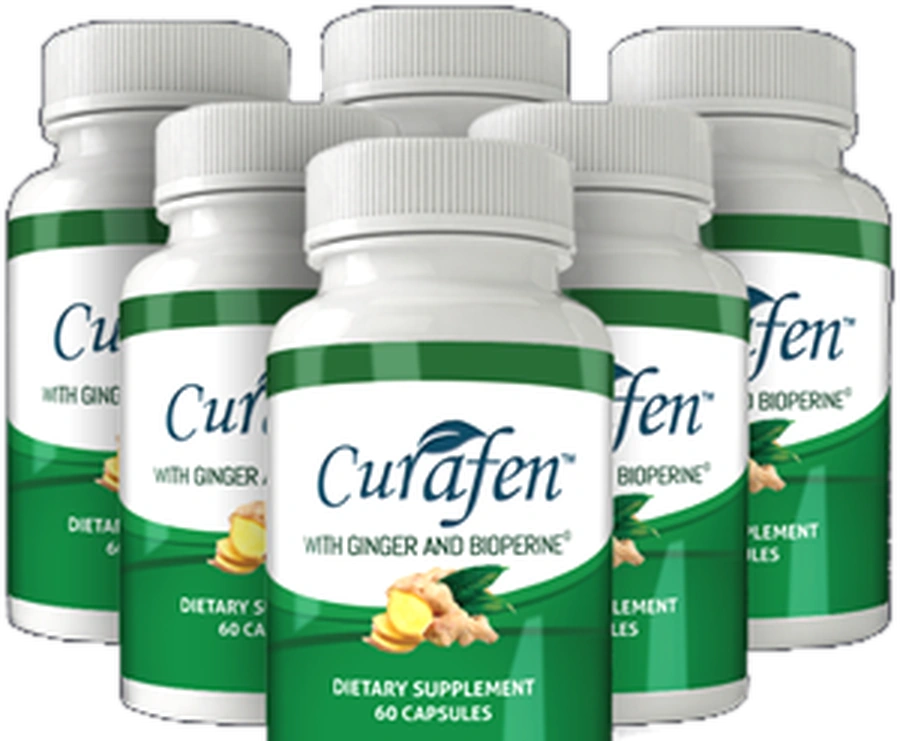
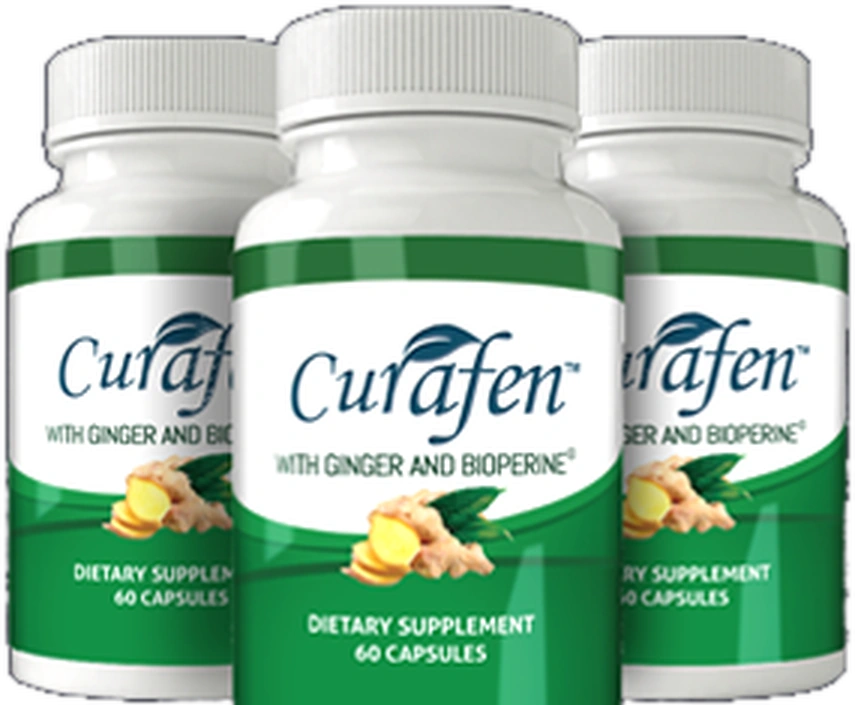
Curafen is a once-daily capsule built on a standardized turmeric root extract with ginger and BioPerine. Check today's Curafen pricing before you decide.
Check today's Curafen pricing — from $49/bottleHow does Curafen use a standardized turmeric root extract?
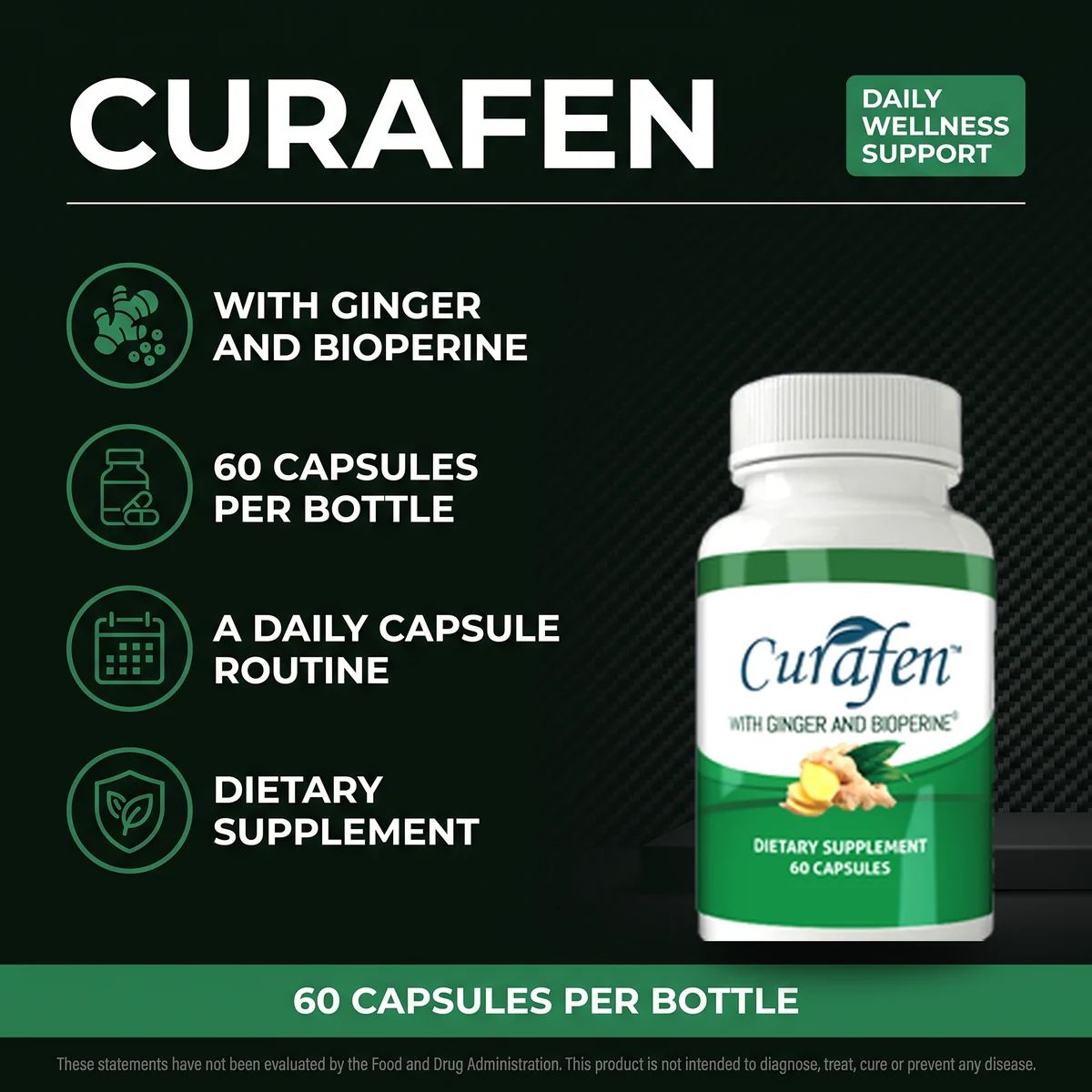
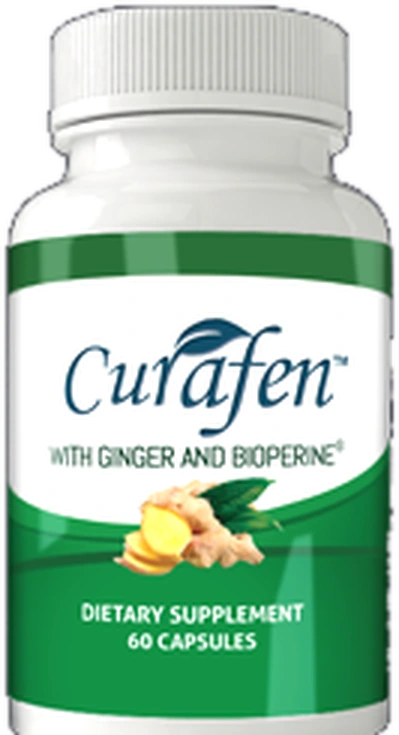
Curafen is formulated around a standardized turmeric root extract so each capsule carries a consistent amount of curcuminoids rather than a variable scoop of spice. Instead of a long, thin blend, Curafen keeps the formula focused: standardized turmeric as the centrepiece, ginger root as a traditional companion, and BioPerine to help the body take up more of the curcumin. A standardized core ingredient is only useful if it is dosed consistently and paired to be absorbed.
For the full breakdown of amounts, see the ingredients section on the Curafen homepage, or read our companion explainer on turmeric and curcumin for joint comfort.
Why pair standardized turmeric with BioPerine and ginger?
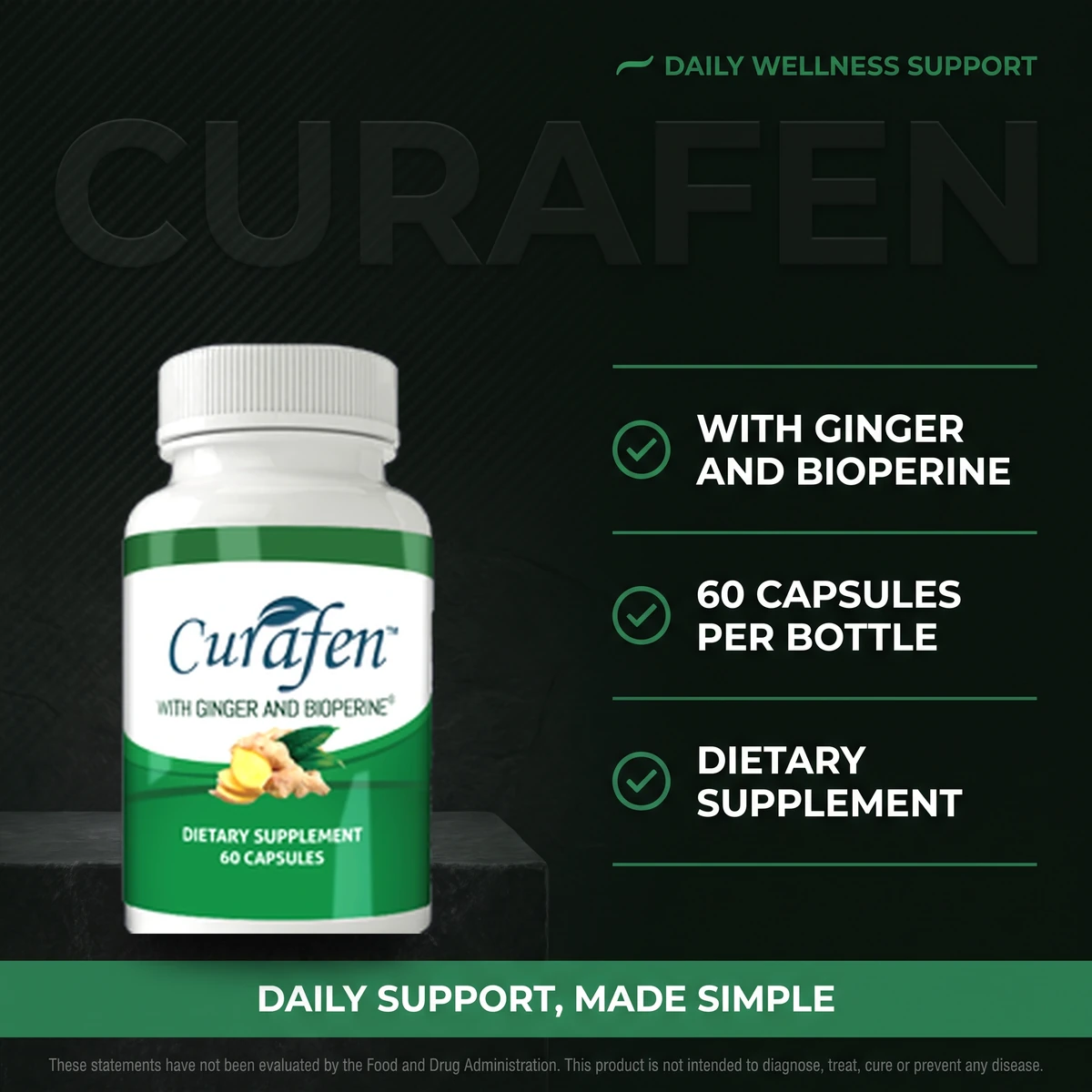
Standardizing an extract fixes consistency, but curcumin has a second challenge: on its own it is poorly absorbed and rapidly cleared by the body. This is where BioPerine — a branded black-pepper extract standardized for piperine — comes in. Research has reported that piperine can increase curcumin absorption substantially when the two are taken together, which is why so many quality formulas, Curafen included, pair them. A standardized dose is only worth as much as the fraction the body can use.
Ginger root rounds out the formula as a long-used culinary botanical that shares turmeric's warm, root-spice heritage — making a small, purposeful stack rather than a sprawling list.
How do you read a standardized extract on a supplement label?
Reading a turmeric label well comes down to separating the total extract weight from its standardized curcuminoid percentage — two different numbers that both belong on a trustworthy label. Use the table below as a quick decoder.
| What the label says | What it means | Why it matters |
|---|---|---|
| Turmeric root extract | A concentrated fraction of the root, not the whole powder | Signals concentration; look for the standardization detail next. |
| Standardized to 95% curcuminoids | 95% of the extract's weight is verified curcuminoids | This is the number that tells you the active content. |
| Curcuminoids (mg) | The actual milligrams of active compound per serving | The most honest figure for comparing two products. |
| With BioPerine / piperine | Black-pepper extract added for absorption | Helps more of the standardized dose reach the bloodstream. |
| "Turmeric" with no extract or % | Likely whole powder, ~2–5% curcuminoids | Much lower and more variable active content. |
A simple rule of thumb: if a product names neither an extract nor a standardized percentage, you cannot know how much curcumin it delivers. Compare Curafen against the packages and pricing on the homepage, and read our guide to ginger root for joint comfort.
What does the research actually say — and not say?
Curcumin is one of the most studied plant compounds in nutrition science, but honesty about the evidence matters. Much of the research is early-stage or uses specialised, high-absorption formulations, and results across studies are mixed. The well-supported points are narrow: curcumin is a well-characterised antioxidant polyphenol, its natural absorption is low, and piperine improves that absorption. Broader wellness claims are traditional or exploratory rather than settled fact. That is exactly why a standardized extract is valuable — it lets everyone work from a known quantity — and why we describe turmeric as everyday support, never a treatment.
When should you talk to a doctor?
A standardized turmeric extract is a dietary supplement for general wellness, not a substitute for medical care. Speak with your doctor before starting turmeric if you are pregnant or nursing, under 18, take any medication (especially a blood thinner, as curcumin may affect clotting), are scheduled for surgery, or have any diagnosed condition. If a joint is hot, swollen, locked, or the pain keeps worsening, see a professional rather than reaching for a supplement.
Frequently asked questions
What does a standardized curcumin extract mean?
A standardized curcumin extract is a turmeric root extract processed and tested so that a set percentage of it is curcuminoids — most commonly 95 percent. Standardization means every batch delivers a consistent amount of curcumin per capsule, rather than the variable levels found in raw turmeric powder.
How is standardized turmeric extract different from turmeric powder?
Turmeric powder is the ground whole root and is only about two to five percent curcuminoids by weight, so the amount varies from jar to jar. A standardized extract concentrates and verifies the curcuminoids to a fixed percentage, so the curcumin content per serving is far higher and far more predictable.
What are curcuminoids?
Curcuminoids are the yellow-orange plant compounds in turmeric root, made up mainly of curcumin, demethoxycurcumin and bisdemethoxycurcumin. Curcumin is the most abundant and the most studied of the three, and it is the marker used to standardize an extract.
Does Curafen use a standardized turmeric root extract?
Curafen is built around a standardized turmeric root extract paired with ginger and BioPerine black-pepper extract. Standardizing the turmeric keeps the curcuminoid amount consistent per capsule, and the BioPerine is included to help the body absorb more of that curcumin.
Why is curcumin paired with black pepper?
On its own curcumin is poorly absorbed and quickly cleared by the body. Piperine, the active compound in black pepper sold as BioPerine, has been shown to increase curcumin absorption substantially, so pairing them helps more of each standardized dose reach the bloodstream.
Is a standardized extract a treatment for joint problems?
No. Standardization is a quality and consistency measure, not a medical claim. A standardized turmeric extract is a dietary supplement for everyday wellness support and is not intended to diagnose, treat, cure or prevent any disease. Talk to your doctor about your own situation.
See the exact standardized dose in Curafen →
Curafen is a dietary supplement, not a treatment for any medical condition. These statements have not been evaluated by the Food and Drug Administration. This product is not intended to diagnose, treat, cure or prevent any disease. Always consult a qualified healthcare professional about your individual needs.
References & further reading
- National Center for Complementary and Integrative Health (NCCIH). Turmeric. nccih.nih.gov/health/turmeric
- Examine.com. Curcumin — evidence-based summary. examine.com/supplements/curcumin
- Hewlings SJ, Kalman DS. Curcumin: A Review of Its Effects on Human Health. Foods, 2017 (PubMed Central / NIH). ncbi.nlm.nih.gov/pmc/articles/PMC5664031
- Shoba G, et al. Influence of piperine on the pharmacokinetics of curcumin. PubMed / U.S. National Library of Medicine. pubmed.ncbi.nlm.nih.gov/9619120
- National Center for Complementary and Integrative Health (NCCIH). Ginger. nccih.nih.gov/health/ginger
These references describe the ingredients in general terms and do not constitute evidence that any product treats, cures or prevents any condition.
Keep reading: how turmeric and curcumin work · supporting healthy joints naturally · back to the Curafen blog · the full Curafen review.