Vitamins for joints: what to look for, with Curafen

Updated September 2026 · reviewed by the Curafen Research Team. We are an independent information resource, not a medical provider, and this article is educational rather than medical advice.
Vitamins for joints are the nutrients — chiefly vitamin D, vitamin C and vitamin K — that support the muscle, collagen and bone functions your knees, hips, hands and back rely on, most usefully when your diet or sun exposure falls short. Alongside them, many people look for well-studied botanicals such as turmeric, ginger and omega-3s. This guide explains what to look for on a label, and how Curafen’s turmeric-ginger-BioPerine approach fits into that picture.
What the phrase “vitamins for joints” really covers, in one place.
- The honest version
- Vitamins support the systems joints depend on; they work best at correcting a shortfall, not as a treatment for any condition.
- Core vitamins
- Vitamin D (muscle and bone), vitamin C (collagen building) and vitamin K (bone metabolism) are the three most often discussed.
- Beyond vitamins
- Botanicals such as turmeric (curcumin), ginger and omega-3s are the other half of the conversation — supports, not cures.
- Label checklist
- Named, standardized ingredients, the amount per serving, an absorption pairing like BioPerine, and honest, non-disease wording.
- Where Curafen fits
- A focused once-daily capsule of standardized turmeric plus ginger and BioPerine that sits alongside your diet and any vitamins you take.
The joint shelf is a wall of promises: some products stack a dozen ingredients, others push a single hero nutrient. Cutting through it is easier once you know which items are genuine vitamins, which are botanicals wearing a similar label, and which claims the evidence can carry — the same lens we apply to Curafen throughout this guide.

What does “vitamins for joints” actually mean?
“Vitamins for joints” is a loose shopping phrase that bundles together true vitamins, a few key minerals, and popular plant botanicals, all marketed for everyday joint comfort. Strictly, a vitamin is an essential micronutrient your body cannot make in enough quantity, so it must come from food or supplements. No single magic vitamin feeds a joint; instead several nutrients quietly support the cartilage, collagen, bone and muscle that keep it gliding. That distinction is why the best results come from covering the basics rather than chasing one miracle pill.
Which vitamins genuinely support joint health?
Three vitamins earn most of the serious attention for joint health: vitamin D, vitamin C and vitamin K. Each plays a defined role in the tissues around a joint, and each is most valuable when your intake is low rather than as an unlimited add-on.
Why is vitamin D on almost every joint list?
Vitamin D supports normal muscle function and helps the body use calcium for bone, both of which sit directly under a working joint. Because many people run low, especially in winter, correcting a genuine shortfall is one of the more reasonable vitamin steps — it is a foundation nutrient, not a joint painkiller.
What does vitamin C do for joints?
Vitamin C is a required cofactor for building collagen, the protein that gives cartilage, tendons and ligaments their structure. A steady dietary supply supports the body’s normal repair processes, which is why citrus, peppers and berries appear on nearly every joint-friendly plate.
Where does vitamin K fit in?
Vitamin K contributes to normal bone metabolism, helping direct calcium into bone. Leafy greens are the easiest source, and most balanced diets supply enough — a reminder that food usually does the heavy lifting before a capsule is needed.
What nutrients and botanicals do people look for beyond vitamins?
Beyond true vitamins, the joint conversation is dominated by minerals and plant botanicals that are technically not vitamins at all. Knowing the category tells you what a product can and cannot claim. The table below sorts the most common items shoppers see on joint labels.
| Ingredient | Category | Why it is on joint labels |
|---|---|---|
| Vitamin D | Vitamin | Supports normal muscle and bone function beneath the joint. |
| Vitamin C | Vitamin | Cofactor the body uses to build collagen. |
| Vitamin K | Vitamin | Contributes to normal bone metabolism. |
| Turmeric (curcumin) | Botanical polyphenol | One of the most researched plant compounds; traditionally used for everyday joint wellness. |
| Ginger | Botanical | Culinary root and a natural source of gingerol compounds. |
| Omega-3s | Essential fats | Part of a balanced anti-inflammatory eating pattern for general wellness. |
| BioPerine (piperine) | Absorption helper | Black-pepper extract added so more of a curcumin dose is put to use. |
Two things stand out. The most talked-about “joint vitamins” — turmeric and ginger — are not vitamins at all but botanicals, which is why a good product describes them as supports rather than treatments. And an ingredient like BioPerine is there not for its own benefit but to help the star ingredient absorb, a detail covered in our guide to curcumin absorption and bioavailability.
Where do turmeric, ginger and BioPerine fit, and how does Curafen compare?
Turmeric, ginger and BioPerine are the botanical trio at the centre of Curafen’s approach, and together they answer a common shopper question: if vitamins cover the base, what adds a focused daily botanical? Rather than spreading a little of everything across a long blend, Curafen concentrates on standardized turmeric (curcumin) with ginger root and BioPerine — a deliberately short, named list.
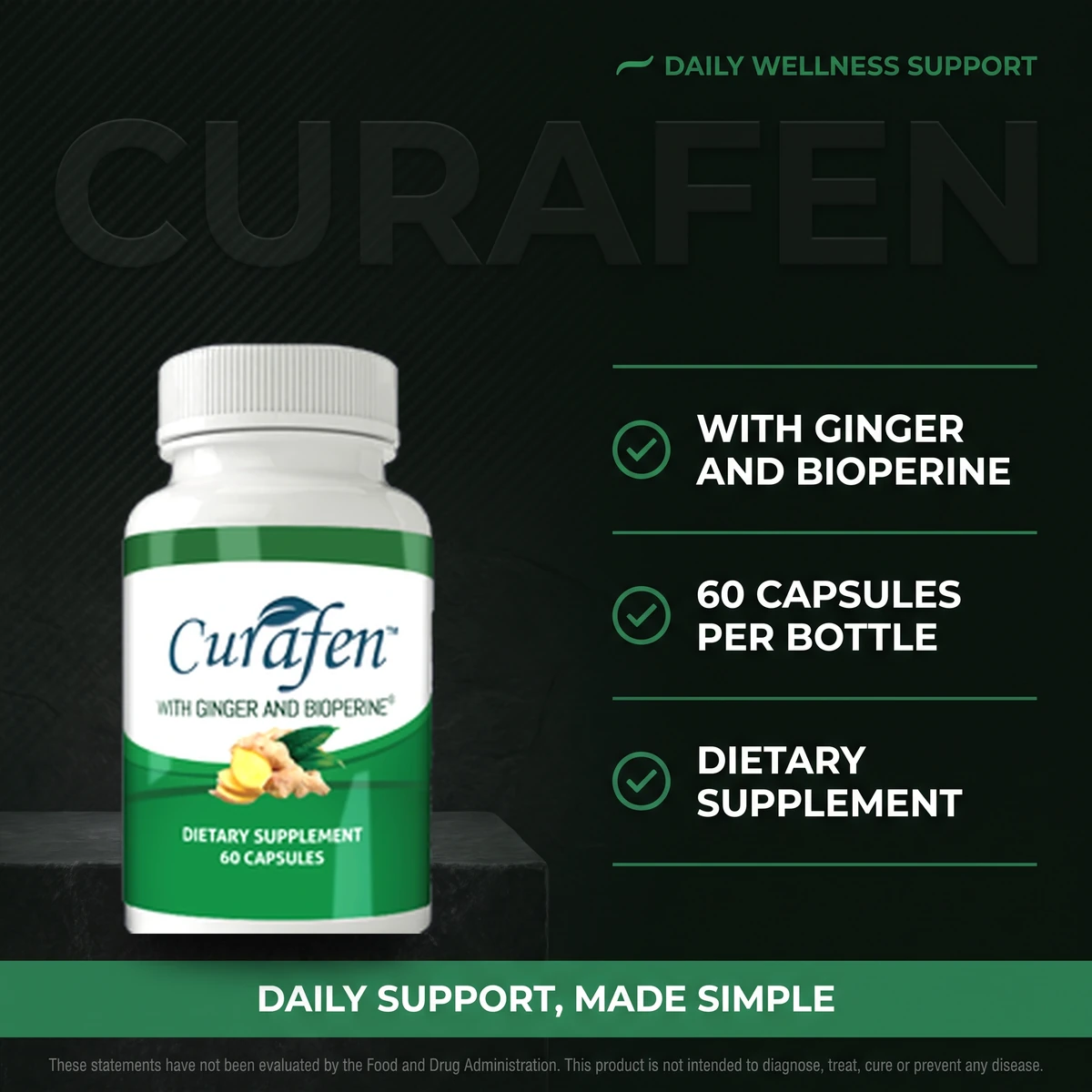
This is a different job from a multivitamin, which gives a base level of many micronutrients; a focused botanical like Curafen instead adds a consistent, standardized turmeric dose that is hard to reach from cooking. Many people use both. To see the exact dose in Curafen, the label is laid out on the ingredients section, and the pairing logic is explained in our note on BioPerine and black-pepper extract.
See the exact dose in Curafen
Curafen is a once-daily capsule pairing standardized turmeric and ginger with BioPerine for absorption. The six-bottle bundle is the best value at $49 per bottle, with free U.S. shipping and a 60-day guarantee.
Order Curafen — from $49/bottleHow do you read a joint supplement label?
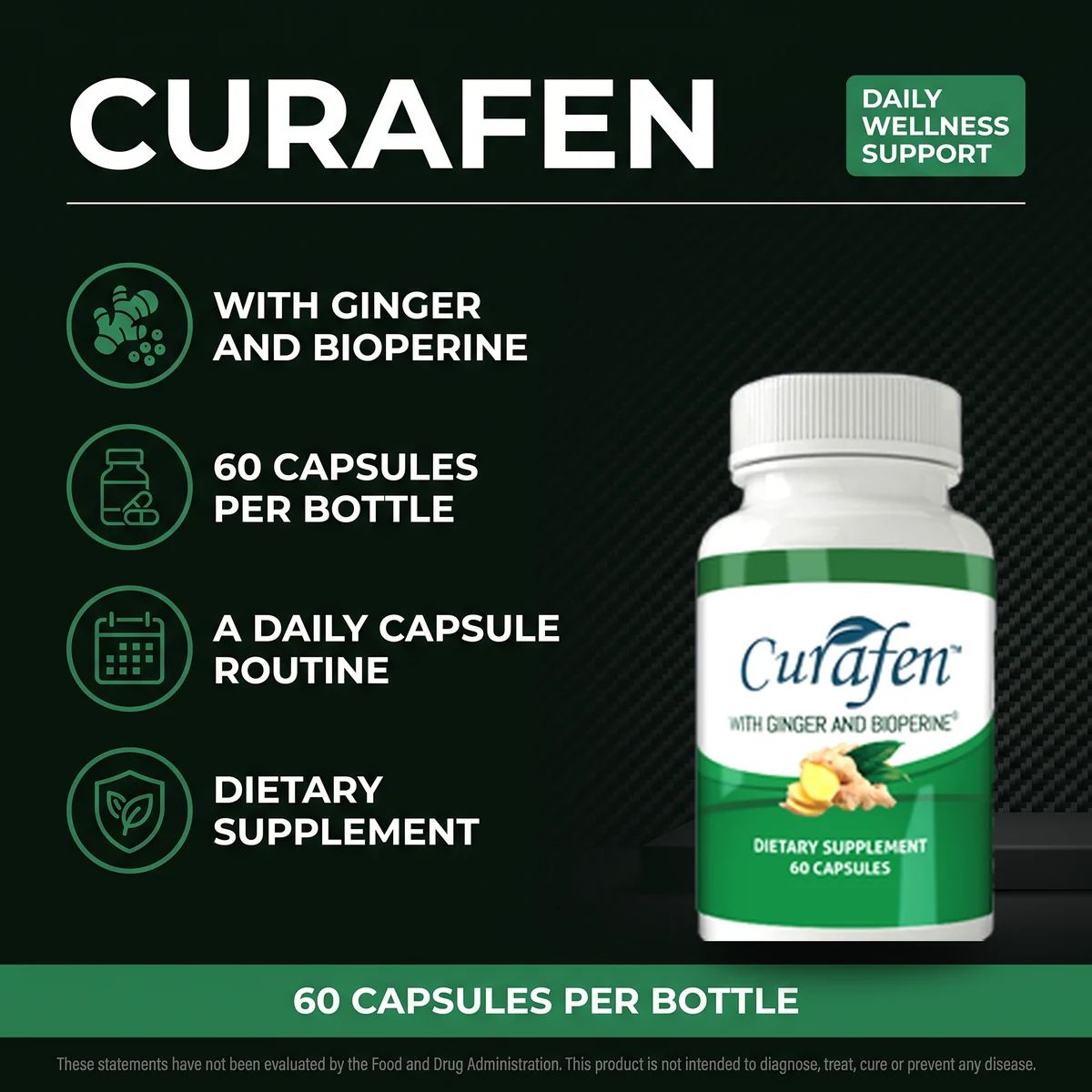
A good joint label tells you exactly what you are getting and how much, in plain language, so you can separate real, measured ingredients from vague “proprietary blend” marketing. Run any product — Curafen included — through the checklist below before you buy.
| What to look for | Why it matters | Green flag |
|---|---|---|
| Named, standardized ingredient | Tells you the active is defined and consistent batch to batch | “Standardized turmeric (95% curcuminoids)” |
| Amount per serving | You can compare doses instead of guessing | Milligrams listed beside each item |
| Absorption pairing | Curcumin absorbs poorly on its own | BioPerine / piperine included |
| Short ingredient list | Fewer, measured actives beat a long unmeasured blend | A handful of named items |
| Quality markers | Signals manufacturing standards | GMP facility, made in the USA, third-party tested |
| Honest wording | Legitimate supplements do not promise cures | “Supports” language, clear FDA disclaimer |
If a product hides its doses inside a blend, promises to “cure” anything, or lists thirty ingredients at trace amounts, treat those as warning signs. The best joint products are usually the plainest.
Do you actually need a joint vitamin if you eat well?
If your diet is genuinely varied and colourful, you may already get most of these nutrients from food: oily fish, leafy greens, citrus, peppers, nuts, olive oil and spices such as turmeric and ginger cover a lot of ground. Supplements become worthwhile in two cases — when a specific vitamin runs low, vitamin D being the classic example, or when you want a standardized botanical dose that is impractical to reach from cooking. That is why we frame supplements as an add-on to the plate, never a replacement for it. Our roundup of the best foods for joint pain and inflammation is a good place to start.
How do you build a simple joint-support routine?
The best routine is the one you will actually keep, layering food, movement and a single well-chosen supplement rather than a cabinet full of bottles. Stack the steps one at a time:
- Build the food base first — oily fish, greens, citrus and colour most days for the core vitamins.
- Fix a genuine shortfall, such as low vitamin D, with a targeted supplement if your doctor suggests it.
- Add one focused botanical if you want it — for Curafen, a single capsule with a meal.
- Keep moving with daily walking and a little strength work, the habits in how to support healthy joints naturally.
- Give it time, since botanicals build gradually and results vary.
When should you talk to a doctor?
Vitamins and botanicals support the systems joints rely on; they are not a replacement for medical care. Speak with your doctor before adding any supplement if you are pregnant or nursing, under 18, take medication (especially a blood thinner, which can interact with high-dose curcumin, ginger or vitamin K), or have a diagnosed condition. See a professional promptly for a hot, swollen or locked joint, or pain that wakes you at night.
Frequently asked questions
What vitamins are best for joints?
No single vitamin is a joint cure. Vitamin D, vitamin C and vitamin K each support the normal muscle, collagen and bone functions that joints rely on, and they matter most when your diet or sun exposure falls short. Many people also look for botanicals such as turmeric, ginger and omega-3s alongside the core vitamins.
Do vitamins for joints actually work?
Vitamins work best at correcting a shortfall rather than as a treatment. If you are low in vitamin D or vitamin C, topping up supports the systems joints depend on; if your levels are already healthy, extra vitamins add little. Botanicals like curcumin are studied for everyday comfort but are a support, not a treatment for any condition.
Is turmeric a vitamin for joints?
Turmeric is not a vitamin; it is a spice whose active curcumin is a plant polyphenol. It sits in the botanical category rather than the vitamin category, and it absorbs far better when paired with black-pepper piperine, as it is in Curafen. Many people pair a curcumin botanical with a solid base of vitamins and a whole-food diet.
What should I look for on a joint supplement label?
Look for named, standardized ingredients with the amount per serving, a piperine or BioPerine pairing if curcumin is present, a short ingredient list rather than an unmeasured blend, third-party quality markers, and honest wording that avoids disease claims. Curafen lists standardized turmeric, ginger and BioPerine with the dose shown on the label.
Can I get joint vitamins from food instead of pills?
Often yes. A colourful whole-food diet with oily fish, leafy greens, citrus, nuts and spices such as turmeric and ginger delivers most of the nutrients discussed here. Supplements are useful when a specific vitamin runs low or when you want a consistent, standardized botanical dose that is hard to reach from cooking alone.
How is Curafen different from a multivitamin for joints?
A multivitamin spreads a little of everything across many nutrients, while Curafen is a focused once-daily capsule of standardized turmeric plus ginger and BioPerine for absorption. It is designed to sit alongside a good diet and any vitamins you already take, not to replace them, and it is not a treatment for any condition.
Check today’s Curafen pricing →
Curafen is a dietary supplement, not a treatment for any medical condition. These statements have not been evaluated by the Food and Drug Administration. This product is not intended to diagnose, treat, cure or prevent any disease. Always consult a qualified healthcare professional about your individual needs.
References & further reading
- National Institutes of Health, Office of Dietary Supplements. Vitamin D — Fact Sheet for Health Professionals. ods.od.nih.gov/factsheets/VitaminD-HealthProfessional
- National Institutes of Health, Office of Dietary Supplements. Vitamin C — Fact Sheet for Health Professionals. ods.od.nih.gov/factsheets/VitaminC-HealthProfessional
- National Center for Complementary and Integrative Health (NCCIH). Turmeric. nccih.nih.gov/health/turmeric
- National Center for Complementary and Integrative Health (NCCIH). Ginger. nccih.nih.gov/health/ginger
- Examine.com. Curcumin — evidence-based summary. examine.com/supplements/curcumin
- Mayo Clinic. Vitamins and supplements — consumer guidance. mayoclinic.org — supplements
These references describe the vitamins, nutrients and botanicals in general terms and do not constitute evidence that any product treats, cures or prevents any condition.
Keep reading: how turmeric and curcumin work · the best foods for joint pain · back to the Curafen blog · read the full Curafen review.