What causes joint stiffness? A plain Curafen explainer

Updated September 2026 · reviewed by the Curafen Research Team. We are an independent information resource, not a medical provider, and this article is educational rather than medical advice.
Joint stiffness is the tight, sluggish feeling that makes a joint slow to bend or straighten, most often caused by joint fluid thickening after rest, cartilage thinning with age, long spells of sitting, extra body weight, or muscles weakened by disuse. For most people it is an everyday nuisance rather than a warning sign, and gentle, regular movement is usually the fastest way to ease it — a routine where a turmeric formula like Curafen can play a supporting role.
Why joints get stiff — and what actually helps — in one place.
- The short version
- Everyday stiffness usually comes from thicker joint fluid after rest, gradual cartilage wear, inactivity, extra weight and weak muscles — not one dramatic cause.
- Morning stiffness
- Fluid settles and thickens while you sleep, so joints feel tight until movement warms them up; brief stiffness that eases within about 30 minutes is common.
- Biggest levers
- Moving often, keeping a healthy weight and strengthening the muscles around each joint do the most to keep joints limber.
- Where supplements fit
- Botanicals such as turmeric (curcumin), ginger and BioPerine can support the routine, but they are not a treatment for any condition.
Almost everyone knows the feeling: you stand after a long sit and, for a moment, the knees or hips refuse to cooperate. That tightness is rarely a sign that something is broken, and understanding the mechanics behind it makes the fix far less mysterious.

What causes joint stiffness in everyday life?
Joint stiffness is caused by anything that makes a joint slower or harder to move through its normal range, and in daily life that comes down to a handful of ordinary factors rather than one big culprit. A joint is where two bones meet, cushioned by cartilage and lubricated by a thin layer of synovial fluid. When the fluid thickens, the cartilage thins, or the muscles weaken, the joint moves less freely and feels stiff — most often from inactivity, ageing, extra weight, or simple dehydration.
Is it the joint fluid, the cartilage, or the muscles?
Often it is a little of each. Synovial fluid behaves like oil in an engine: it flows best when warm and moving, and turns sluggish when a joint sits still. Cartilage has no direct blood supply and relies on movement to pump nutrients in and waste out, and weak surrounding muscles leave the joint absorbing more of the strain. Stiffness is the body's way of saying these systems could use attention.
Why are my joints so stiff in the morning?
Morning stiffness happens because joint fluid becomes thicker and less mobile overnight, so joints feel tight and slow until movement warms them and thins the fluid again. The rule of thumb is duration: brief stiffness that loosens within about half an hour is the everyday kind, while stiffness that reliably lasts well over an hour, most mornings, is worth mentioning to a doctor. Our companion guide to why joints ache in cold weather takes that thread further.

Why do joints get stiffer with age?
Joints get stiffer with age because the cartilage that cushions them slowly thins, the body produces a little less lubricating fluid, and supporting muscles lose strength when they are not regularly used. These are normal, gradual changes rather than a disease. The encouraging part is how much stays within your control: much of the decline is driven by disuse as much as by the calendar, so people who keep moving and keep a healthy weight often stay comfortable for far longer than they expect.

What everyday habits quietly make joints stiff?
The habits that stiffen joints are usually the ones that reduce movement or increase load, and most are easy to miss because they feel harmless in the moment. Below are the biggest everyday contributors, roughly in order of impact.
1. Sitting still for hours
Long, unbroken sitting is the classic stiffener: fluid settles and muscles switch off. Standing up and moving for a minute or two each hour is the simplest fix.
2. Carrying extra body weight
Every additional pound is felt several times over at the knees and hips with each step. Reaching a comfortable weight is one of the highest-return things you can do for lower-body joints.
3. Skipping strength work
When the muscles around a joint are weak, the joint absorbs more shock. Two short strength sessions a week — chair squats, wall push-ups, carrying the groceries — keep joints steady.
4. Not warming up, or overdoing it
Cold joints thrown into hard activity, or a sudden jump in intensity after months off, both invite next-day stiffness. Warm up first and build up gradually.
5. Running low on water and sleep
Hydration keeps the tissues around a joint supple, and sleep is when the body repairs. Neither is a cure, but chronic shortfalls make joints feel tighter and slower to bounce back.
See the exact dose in Curafen →
How can a daily comfort routine ease stiff joints?
A daily comfort routine eases stiffness by attacking its ordinary causes at once: it keeps you moving so fluid stays thin, builds the muscle that supports each joint, and layers in nutrition and botanicals long linked to everyday joint wellness. No single step is a magic switch; the value is in doing several small things consistently. The table below sorts the core moves by speed.
| Habit | Typical time to notice | Everyday effort |
|---|---|---|
| Move for 2 minutes each hour | Same day | Low |
| Gentle morning warm-up walk | Same day | Low |
| Stay well hydrated | Days | Low |
| Colourful, whole-food meals | Days to weeks | Medium |
| Strength work twice a week | Weeks | Medium |
| Reaching a healthy weight | Weeks to months | Higher |
Where does a supplement fit? At the edges, supporting the habits rather than replacing them. Botanicals such as turmeric and ginger have been part of the joint-wellness conversation for centuries, and they build their support gradually. That is why a formula like Curafen is meant to sit inside a routine like the one above — a small step alongside the movement and diet that do the heavy lifting.

Make it a daily habit
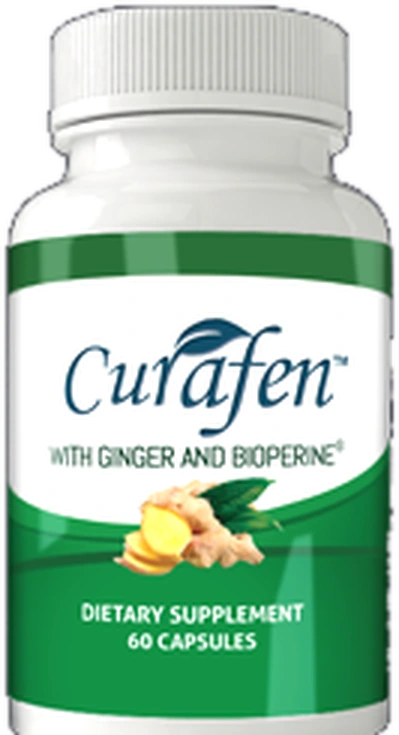
Curafen is a once-daily capsule pairing standardized turmeric and ginger with BioPerine for absorption. The six-bottle bundle is the best value at $49 per bottle, with a 60-day guarantee.
Check today’s Curafen pricing — from $49/bottleWhat is inside Curafen for joint comfort?
Curafen is a focused three-ingredient capsule pairing standardized turmeric, ginger root and BioPerine rather than a long blend. As with any supplement, these describe traditional and general wellness use — not a treatment for stiff joints or any condition.

| Ingredient | What it is | Traditional / general role |
|---|---|---|
| Turmeric (curcumin) | Standardized root extract | One of the most researched plant polyphenols; long used for everyday joint and whole-body wellness. |
| Ginger root | Culinary botanical | A traditional wellness spice and a natural source of gingerol compounds. |
| BioPerine (piperine) | Black-pepper extract | Included to help the body absorb curcumin, so more of each dose is put to use. |
The pairing of turmeric with black pepper matters most: on its own, curcumin is hard to absorb, and piperine is included to help. For a deeper look, read our guide to turmeric and curcumin for joint pain, or the full Curafen review. To start with food, see the best foods for joint pain and inflammation.
A simple daily routine for stiffer joints
The best routine for stiff joints is the one you will actually repeat, built one habit at a time until each feels automatic:
- Loosen up first thing with a few gentle movements or a short walk.
- Break up long sitting by moving for a minute or two each hour.
- Add two brief strength sessions a week for the muscles around your knees, hips and back.
- Fill half your plate with plants, with turmeric and ginger where they fit.
- Drink water through the day and protect a consistent bedtime.
- Take any supplement at the same time daily — for Curafen, one capsule with a meal.
Because botanicals build their support gradually, most people choose a multi-month supply — compare the packages and pricing on the homepage.
When should you see a doctor about stiff joints?
Ordinary stiffness eases with movement, but a few signs mean it is time to get a professional opinion. See your doctor if a joint is hot, red or visibly swollen, if stiffness lasts well over an hour most mornings, if pain wakes you at night or steadily worsens, or if a joint locks or gives way. Also check in first if you are pregnant or nursing, take any medication (especially a blood thinner), or have a diagnosed condition before starting any new supplement, including Curafen. These habits support comfortable joints but do not replace medical care.
Frequently asked questions
What causes joint stiffness?
Joint stiffness is usually caused by thicker joint fluid after rest, cartilage thinning with age, long periods of inactivity, extra body weight, weak muscles, or simple dehydration. In most everyday cases it reflects normal wear rather than a serious problem, and gentle movement often eases it.
Why are my joints so stiff in the morning?
Joint fluid becomes thicker and less mobile while you sleep, so joints feel sluggish until movement warms them up. Brief stiffness that loosens within about half an hour is common, while stiffness that lasts well over an hour most mornings is worth discussing with a doctor.
Why do joints get stiffer with age?
With age the cartilage that cushions joints slowly thins, the body makes less lubricating fluid, and muscles weaken if they are not used. These normal changes can leave joints feeling tighter, but movement, strength work and a healthy weight keep them comfortable for longer.
Can turmeric or Curafen help with stiff joints?
Turmeric’s active curcumin is a well-studied plant polyphenol traditionally used for everyday joint wellness, and it absorbs far better when paired with black-pepper piperine, as in Curafen. It is a support to movement and diet, not a treatment for any condition, and results vary.
Does sitting too long make joints stiff?
Yes. Joints dislike being held still for hours, because staying put lets fluid settle and muscles switch off. Standing and moving for a minute or two each hour keeps fluid circulating and is one of the simplest ways to reduce everyday stiffness.
When should I worry about stiff joints?
See a doctor if a joint is hot, red or swollen, if stiffness lasts well over an hour most mornings, if pain wakes you at night or keeps getting worse, or if a joint locks or gives way. These signs go beyond ordinary stiffness.
Try Curafen risk-free for 60 days →
Curafen is a dietary supplement, not a treatment for any medical condition. These statements have not been evaluated by the Food and Drug Administration. This product is not intended to diagnose, treat, cure or prevent any disease. Always consult a qualified healthcare professional about your individual needs.
References & further reading
- Mayo Clinic. Joint pain — symptoms and causes. mayoclinic.org/symptoms/joint-pain
- National Center for Complementary and Integrative Health (NCCIH). Turmeric. nccih.nih.gov/health/turmeric
- National Center for Complementary and Integrative Health (NCCIH). Ginger. nccih.nih.gov/health/ginger
- Harvey LA, Katalinic OM, Herbert RD, Moseley AM, Lannin NA, Schurr K. Stretch for the treatment and prevention of contractures. Cochrane Database of Systematic Reviews, 2017. Harvey et al. — Stretch for the treatment and prevention of contractures (Cochrane Database Syst Rev, 2017)
- Examine.com. Curcumin — evidence-based summary. examine.com/supplements/curcumin
These references describe the ingredients and habits in general terms and do not constitute evidence that any product treats, cures or prevents any condition.
Keep reading: how to support healthy joints naturally · best foods for joint pain · the Curafen blog · homepage.