Turmeric vs glucosamine for joints: where Curafen fits

Updated September 2026 · reviewed by the Curafen Research Team. We are an independent information resource, not a medical provider, and this article is educational rather than medical advice.
Turmeric vs glucosamine is really a choice between two different strategies for joint support: glucosamine supplies a raw material that cartilage is made from, while turmeric’s curcumin is an antioxidant plant compound used for everyday comfort. Neither is a cure, the evidence for each is mixed rather than settled, and many people simply pick the approach that fits their body and values — which is the path Curafen takes with turmeric, ginger and BioPerine.
Turmeric or glucosamine — which is right for your joints?
- Different jobs
- Glucosamine is a cartilage building-block; turmeric (curcumin) is an antioxidant polyphenol for everyday comfort. They are not interchangeable.
- The evidence
- Both have mixed research. Glucosamine trials in osteoarthritis are inconsistent; curcumin is well studied but is still a wellness support, not a treatment.
- Source matters
- Most glucosamine comes from shellfish, so it is off-limits for many people; turmeric and ginger are plant-based and vegetarian.
- Where Curafen fits
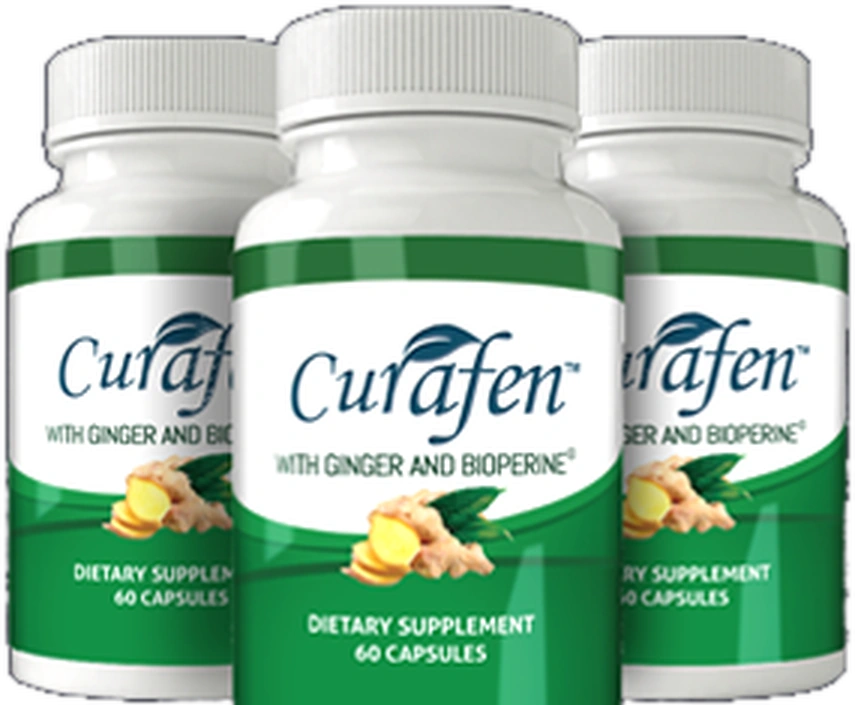
- Curafen builds on the turmeric path, pairing standardized curcumin with ginger and BioPerine (black-pepper piperine) to aid absorption.
If you have stood in a supplement aisle weighing a turmeric bottle in one hand and glucosamine in the other, you already know how confusing the choice can feel. Both are among the most popular joint supplements in the world, both have loyal users, and both are surrounded by big promises. This guide compares them plainly — how each works, what the research actually says, and how to decide — before showing where a focused turmeric formula like Curafen fits.
What is glucosamine and how is it supposed to work?
Glucosamine is a natural compound your body already makes, and it is one of the building-blocks used to form and maintain cartilage — the smooth cushion at the ends of your bones. The theory behind glucosamine supplements is simple: by topping up the raw material of cartilage, you might help the joint maintain its cushioning over time. Most supplemental glucosamine is harvested from the shells of shellfish, then sold as glucosamine sulfate or glucosamine hydrochloride, often alongside chondroitin. It has been studied mainly in the context of knee osteoarthritis, and it is generally considered safe for most adults to try.
What is turmeric (curcumin) and how does its approach differ?
Turmeric is a golden kitchen spice whose most active compound, curcumin, is one of the most researched plant polyphenols in the world. Rather than acting as a building material, curcumin is discussed for its antioxidant activity and its traditional use in supporting everyday comfort and whole-body wellness. That is a fundamentally different angle from glucosamine: one aims to supply a cartilage ingredient, the other to support the body’s own everyday balance. Curcumin’s well-known limitation is that it absorbs poorly on its own, which is why quality formulas pair it with black-pepper piperine — the role BioPerine plays in Curafen. To go deeper on that, see our guide to curcumin absorption and bioavailability.

Turmeric vs glucosamine: how do they compare side by side?
The clearest way to compare turmeric and glucosamine is to line them up on the questions that actually matter to a buyer: what each is, how it works, who it suits, and what the research supports. The table below does exactly that, in plain language. This connects closely with fish oil versus turmeric for joints, which we cover separately.
| Factor | Glucosamine | Turmeric (curcumin) |
|---|---|---|
| What it is | A cartilage building-block your body makes | An antioxidant polyphenol from a culinary spice |
| Core idea | Supply raw material for cartilage | Support everyday comfort and antioxidant balance |
| Typical source | Shellfish shells (not vegetarian) | Turmeric root (plant-based, vegetarian) |
| Most studied for | Knee osteoarthritis | General wellness and everyday joint comfort |
| Evidence status | Mixed and inconsistent | Widely studied but still supportive, not curative |
| Absorption note | Generally well absorbed | Poor alone; improved with black-pepper piperine |
| Often paired with | Chondroitin | Ginger and BioPerine |
The takeaway is not that one wins outright. It is that they answer different questions. If your interest is a plant-based, antioxidant-led approach to everyday comfort, turmeric fits naturally — and that is the lane Curafen is built for.
See the exact dose in Curafen
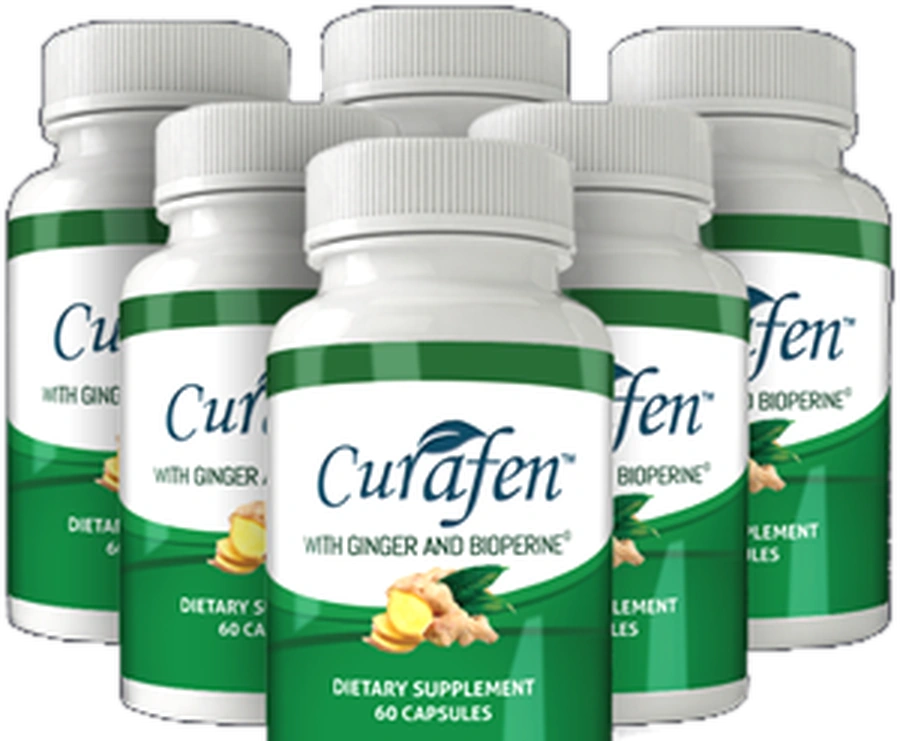
Curafen is a once-daily capsule pairing standardized turmeric and ginger with BioPerine for absorption — the turmeric approach, done simply. The six-bottle bundle is the best value at $49 per bottle, with free U.S. shipping and a 60-day guarantee.
Check today’s Curafen pricing — from $49/bottleWhat does the evidence really say about each?
Honesty matters here: the research for both turmeric and glucosamine is mixed, not conclusive, and no joint supplement is a proven treatment for any disease. For glucosamine, some trials in knee osteoarthritis report modest relief while large independent reviews find little meaningful difference from placebo — which is why medical bodies are cautious about recommending it. For curcumin, the plant compound is heavily studied for its antioxidant activity and has an encouraging safety profile, but supplement claims still describe general wellness support rather than any ability to diagnose, treat, cure or prevent a condition. In short, both can be reasonable to try, and neither replaces movement, a healthy weight or medical care. We go step by step through MSM versus turmeric for joint pain elsewhere on the site.
Which is safer and easier to tolerate?
Both are generally well tolerated by most adults, but their cautions differ. Glucosamine is usually shellfish-derived, so it is a concern for anyone with a shellfish allergy, and it may not suit people managing blood sugar closely. Turmeric is plant-based and vegetarian, but concentrated curcumin can affect blood thinning and interact with some medications. Whichever route you consider, the same rule applies: talk to your doctor first if you are pregnant or nursing, take medication (especially a blood thinner), or have a diagnosed condition.
Which one suits your values and diet?
For many buyers the deciding factor is not a study at all — it is diet and values. Glucosamine’s shellfish origin rules it out for vegetarians, vegans and those avoiding shellfish, whereas turmeric and ginger are plant foods you may already cook with. If a clean, plant-based label matters to you, the turmeric approach has an obvious edge, and Curafen is a vegetarian, non-GMO capsule made in the USA.
Why does Curafen build on turmeric rather than glucosamine?
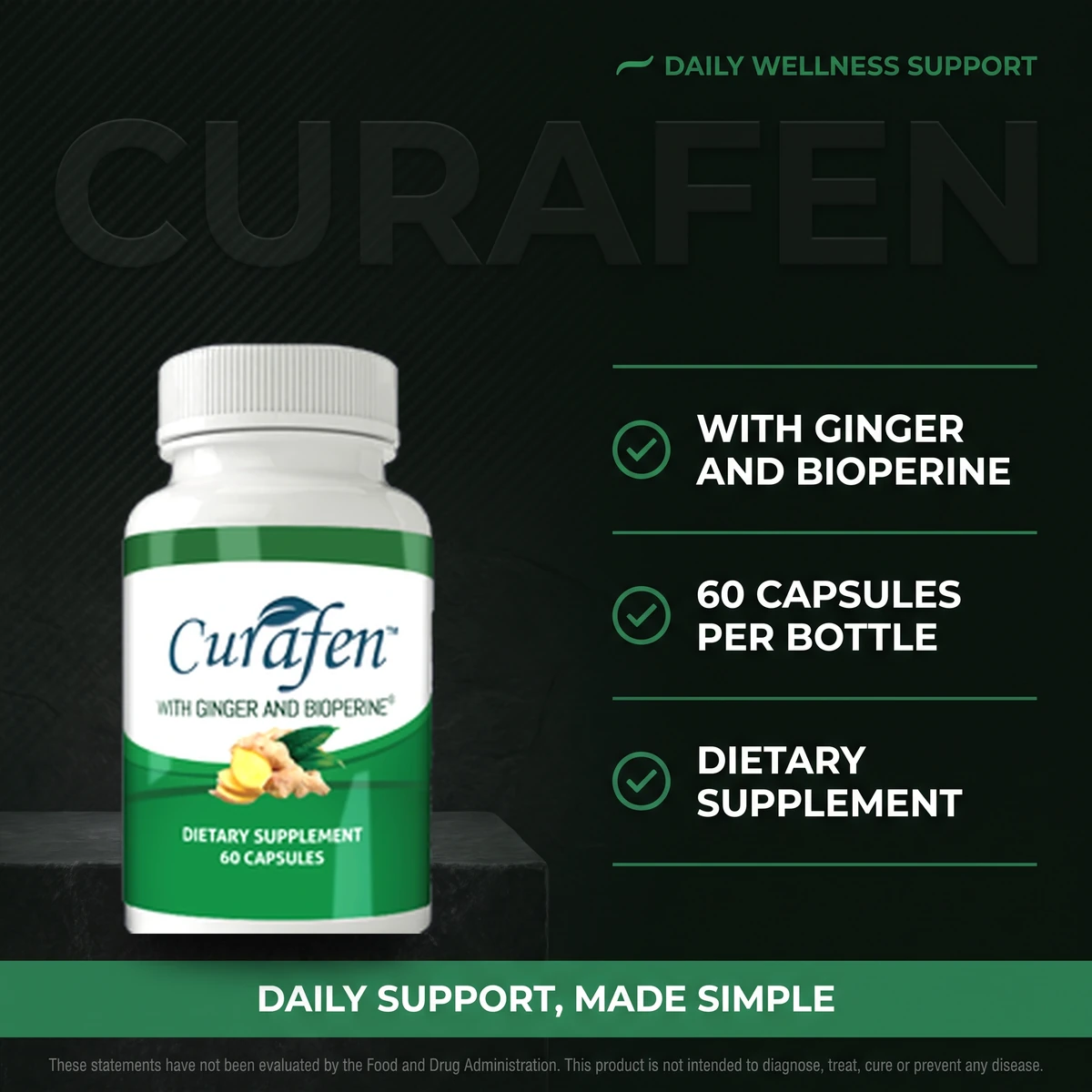
Curafen is a turmeric-first formula because it is designed around everyday antioxidant and comfort support in a plant-based, vegetarian capsule — not around the cartilage-building theory that glucosamine follows. Instead of a long, thin blend, it focuses on three ingredients that work together: standardized turmeric for curcumin, ginger root as a complementary botanical, and BioPerine (black-pepper piperine) to help the body absorb more of each dose. You can read how each part contributes in our deep dives on ginger root for joint comfort and BioPerine in Curafen, or see the full ingredients section on the homepage.
| Curafen ingredient | Role in the formula | Why it is included |
|---|---|---|
| Turmeric (curcumin) | Antioxidant polyphenol | The core of the turmeric approach; one of the most researched plant compounds. |
| Ginger root | Complementary botanical | A traditional wellness spice and natural source of gingerol compounds. |
| BioPerine (piperine) | Absorption helper | Black-pepper extract added so more curcumin from each dose is put to use. |
Can you take turmeric and glucosamine together?
There is no widely reported interaction between turmeric and glucosamine, so some people do use both, treating them as complementary rather than competing. If you go that route, remember the individual cautions still apply — glucosamine’s shellfish source and turmeric’s effect on blood thinning — and clear it with your doctor first, especially alongside any medication. Just as important, keep supplements in perspective: the biggest levers for comfortable joints remain regular movement, a healthy weight and a colourful, whole-food diet. For the full routine, see how to support healthy joints naturally.
How do you choose between them — a simple decision guide
The right pick is the one that matches your diet, your goals and your doctor’s input. Use this short checklist to narrow it down:
- Want a plant-based, vegetarian option? Turmeric fits; most glucosamine does not.
- Interested in antioxidant, everyday-comfort support? That is the turmeric (curcumin) lane.
- Focused specifically on cartilage building-blocks? That is the classic glucosamine rationale.
- Have a shellfish allergy? Avoid standard glucosamine and lean turmeric.
- On a blood thinner or other medication? Check with your doctor before either.
- Choosing turmeric? Pick a formula with piperine for absorption — the reason Curafen includes BioPerine.
Whichever you choose, give it consistent daily use for several weeks rather than judging it in a few days, and compare the packages and pricing so you do not run out mid-routine.
See the exact dose in Curafen — risk-free for 60 days →
Curafen is a dietary supplement, not a treatment for any medical condition. These statements have not been evaluated by the Food and Drug Administration. This product is not intended to diagnose, treat, cure or prevent any disease. Always consult a qualified healthcare professional about your individual needs.
Frequently asked questions
Is turmeric or glucosamine better for joints?
Neither is universally better; they take different routes. Glucosamine is a cartilage building-block studied mainly in osteoarthritis, with mixed results, while turmeric’s curcumin is an antioxidant polyphenol studied for everyday comfort. Many people find turmeric appealing for general joint wellness, and Curafen focuses on that path with ginger and BioPerine for absorption.
Can you take turmeric and glucosamine together?
There is no widely reported interaction between turmeric and glucosamine, and some people use both. Because turmeric may affect blood thinning and glucosamine is often shellfish-derived, check with your doctor first, especially if you take medication or have allergies.
Does glucosamine actually work for joint pain?
The evidence is genuinely mixed. Some trials and users report modest benefit for knee osteoarthritis, while large independent reviews find little difference from placebo. It is generally considered safe to try, but results vary from person to person.
Why does Curafen use turmeric instead of glucosamine?
Curafen is built around standardized turmeric (curcumin) plus ginger and BioPerine because that combination targets everyday antioxidant and comfort support and pairs well for absorption. It is a plant-based, vegetarian capsule, whereas most glucosamine is sourced from shellfish.
How long does turmeric take to work for joints?
Botanicals build their support gradually. Most people give turmeric several weeks of consistent daily use rather than expecting an overnight change, which is why multi-month supplies are popular. Individual results vary and it is a support, not a treatment.
Is turmeric safe to take every day?
Culinary and supplemental turmeric are widely used and generally well tolerated for most adults. Because curcumin can affect blood thinning and interact with some medications, talk to your doctor before daily use if you are pregnant, nursing, on medication, or have a health condition.
References & further reading
- National Center for Complementary and Integrative Health (NCCIH). Turmeric. nccih.nih.gov/health/turmeric
- National Center for Complementary and Integrative Health (NCCIH). Glucosamine and Chondroitin for Osteoarthritis. nccih.nih.gov/health/glucosamine-and-chondroitin-for-osteoarthritis
- National Center for Complementary and Integrative Health (NCCIH). Ginger. nccih.nih.gov/health/ginger
- Examine.com. Curcumin — evidence-based summary. examine.com/supplements/curcumin
- Examine.com. Glucosamine — evidence-based summary. examine.com/supplements/glucosamine
- Wandel S, Jüni P, Tendal B, et al. Effects of glucosamine, chondroitin, or placebo in patients with osteoarthritis of hip or knee: network meta-analysis. BMJ, 2010. Wandel et al. — Glucosamine, chondroitin or placebo in hip and knee osteoarthritis (BMJ, 2010)
These references describe the ingredients in general terms and do not constitute evidence that any product treats, cures or prevents any condition.
Keep reading: how turmeric and curcumin work for joints · the best foods to ease joint pain · the full Curafen review · back to the Curafen blog.