Supplements for aching joints: the Curafen buyer guide

Updated September 2026 · reviewed by the Curafen Research Team. We are an independent information resource, not a medical provider, and this article is educational rather than medical advice.
Supplements for aching joints are dietary products — usually botanicals such as turmeric, ginger and BioPerine, or nutrients like omega-3s, glucosamine and MSM — that people take to support everyday joint comfort alongside movement, food and a healthy weight. The smartest purchase is not the longest ingredient list or the loudest label; it is a short, honestly dosed formula you can actually read. This guide shows how to shop like that, using Curafen's focused three-active label as the worked example.
How to choose a supplement for aching joints without overpaying for filler.
- Read the panel
- Judge a joint supplement by its Supplement Facts panel, not its front label: named actives with disclosed milligram doses beat vague blends.
- Favour focus
- A few well-studied, well-dosed ingredients — standardized curcumin, ginger and an absorption enhancer — usually deliver more than a long list of sprinkled extras.
- Check absorption
- Curcumin absorbs poorly alone, so look for black-pepper piperine (BioPerine) paired with it, as Curafen does.
- Mind the honesty
- Supplements support a routine and are not a treatment; be sceptical of any product promising to cure aching joints.
The joint shelf is a wall of promises: a dozen ingredients per bottle, bold cushioning claims, and prices from a few dollars to a small fortune. Most of that noise is filler. This guide gives you a simple, repeatable way to compare products — and shows where a focused turmeric formula like Curafen fits, and where it honestly does not.
What are supplements for aching joints, really?
Supplements for aching joints are over-the-counter dietary products intended to support normal joint comfort and mobility, not to diagnose or treat any medical condition. They fall into two broad camps: botanicals such as turmeric (curcumin) and ginger, prized for their antioxidant plant compounds, and structural or nutrient ingredients such as glucosamine, chondroitin, MSM, omega-3 fish oil and vitamin D. Some products pick one lane and dose it well; many sprinkle a little of everything so the label looks impressive. Knowing that split tells you what a product is built to do rather than what its marketing implies. Our companion guide to vitamins for joints and what to look for takes that thread further.
Why do focused formulas beat filler-blend joint supplements?
A focused formula wins because a supplement only helps to the extent each active is present in a meaningful, absorbable amount. When a bottle lists fifteen ingredients but keeps the same modest capsule size, most of those actives appear in token “fairy dust” doses — enough to print on the label, too little to matter. A short formula spends its milligrams on a few ingredients that research has actually looked at. So the most useful question in the whole category is not how many ingredients a joint supplement contains, but how much of the ones that count.
What should you look for on an aching-joints supplement label?
The label is where a joint supplement tells the truth, so reading the Supplement Facts panel is the core skill of buying well. Three questions separate a genuine formula from an expensive placebo.
Does it use standardized curcuminoids?
Standardization is a manufacturer's promise that each dose contains a fixed percentage of the active compound, and for turmeric that figure is what matters. Raw turmeric powder is only a few percent curcuminoids by weight, whereas a standardized extract is typically concentrated to around 95 percent. A label that says “turmeric 500 mg” with no standardization figure tells you far less than one specifying a standardized curcuminoid extract — our explainer on standardized curcuminoids unpacks why.
Is there an absorption enhancer like BioPerine?
An absorption enhancer matters because curcumin is famously hard for the body to take up, so much of a plain turmeric dose passes through unused. Piperine, the black-pepper compound sold as BioPerine, has been shown in research to raise curcumin absorption substantially. A turmeric supplement without an absorption strategy leaves much of its value on the table — see our note on BioPerine in Curafen.
Are the doses disclosed, or hidden in a proprietary blend?
Dose disclosure is the honesty test. A “proprietary blend” lists several ingredients under one combined weight, so you cannot tell whether the blend is mostly the useful active or mostly cheap filler. Reputable formulas disclose each ingredient's milligrams. If a joint product hides its doses, treat that as a reason for caution, not a trade secret worth paying extra for.
See the exact dose in Curafen →
How does Curafen's three-active label work as a worked example?
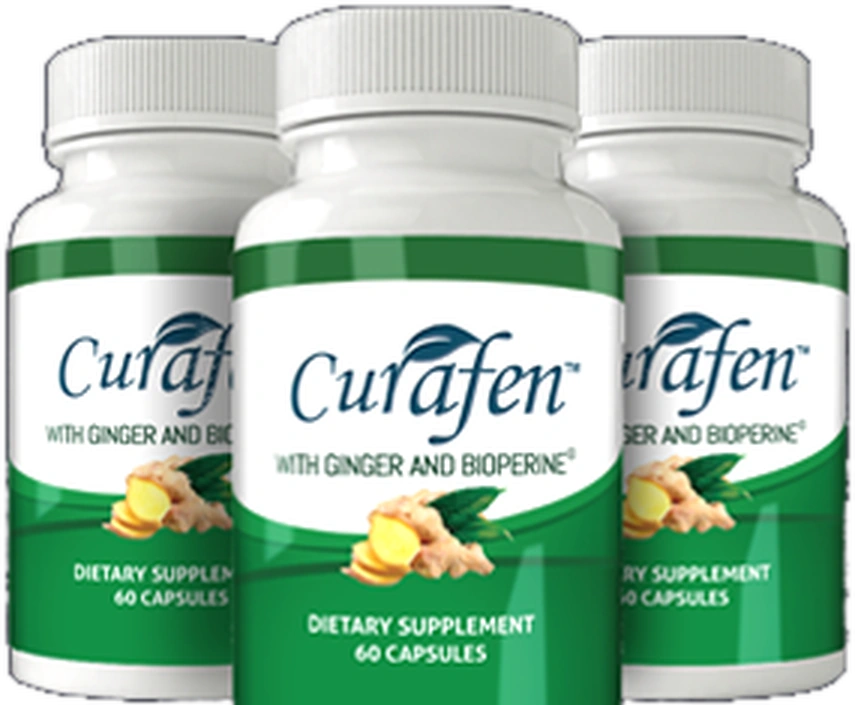
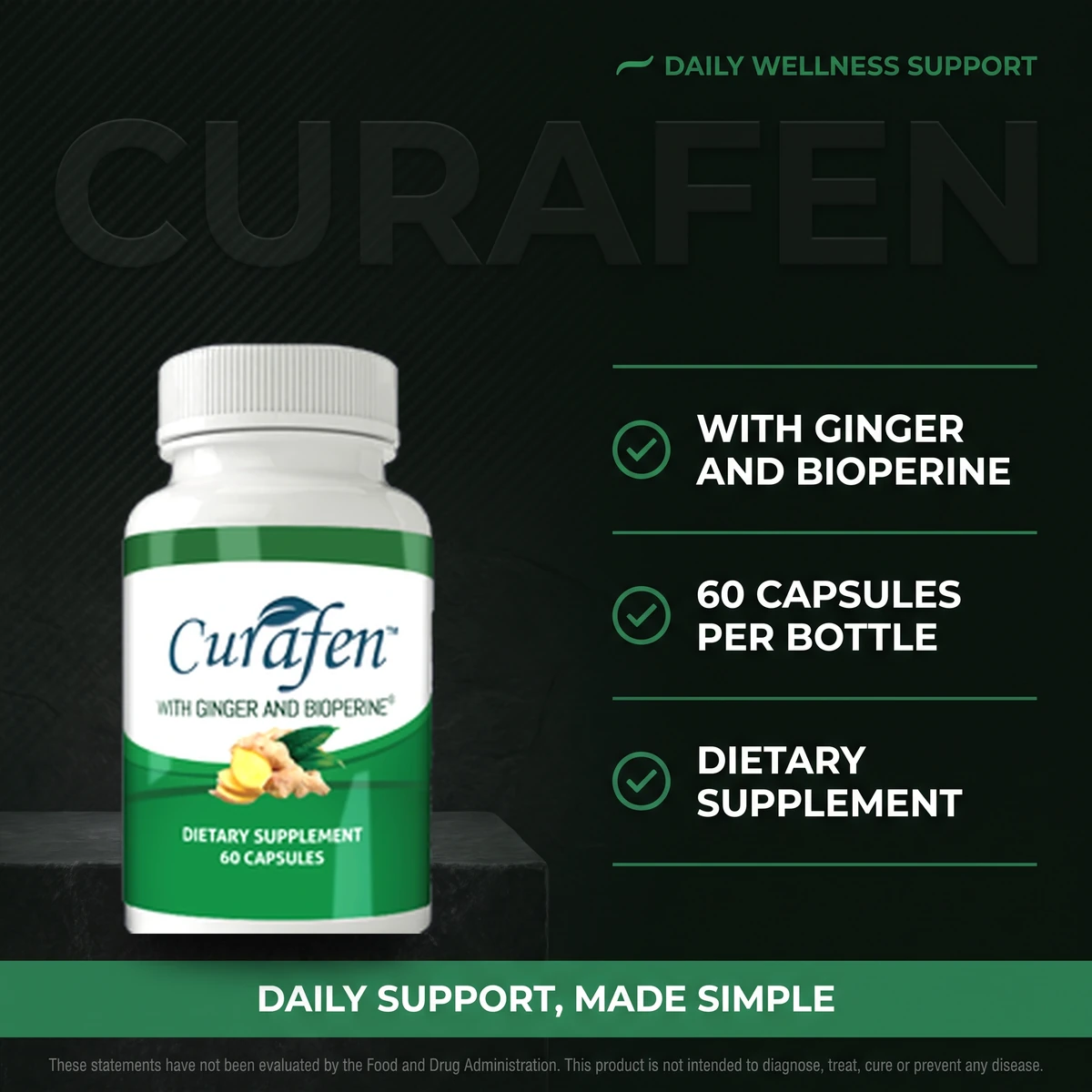
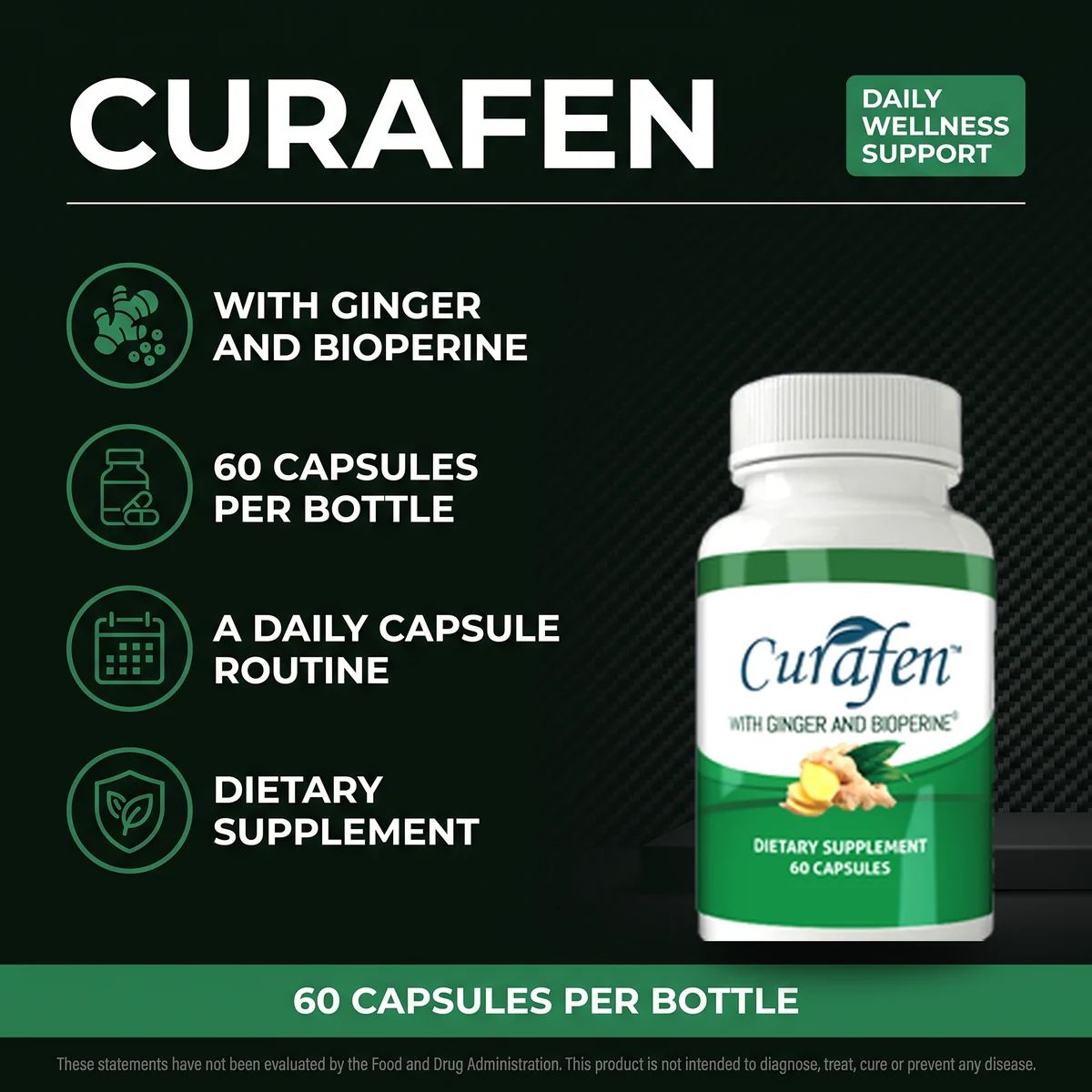
Curafen is a once-daily capsule that pairs standardized turmeric (curcumin) with ginger root and BioPerine, and its value as an example is its restraint. Rather than stretching a label across a dozen half-hearted extras, it spends its formula on three ingredients that belong together: turmeric for its well-studied curcumin polyphenol, ginger as a complementary botanical, and BioPerine to help the body absorb the curcumin it just paid for. That is not a claim that Curafen treats anything — it does not — but it is a clean illustration of the focused approach this guide recommends.
| Label feature | What to look for | How Curafen reads |
|---|---|---|
| Ingredient count | Few, focused actives | Three: standardized turmeric, ginger, BioPerine |
| Standardization | A stated curcuminoid percentage | Standardized turmeric extract, not raw powder |
| Absorption | Piperine / BioPerine present | BioPerine included by design |
| Blend transparency | Disclosed doses, no hidden blend | Named actives rather than a mystery blend |
| Daily routine | Simple, repeatable dose | One capsule with a meal |
For the full breakdown, read our Curafen review or jump straight to the ingredients section. And if you are weighing turmeric against other popular actives, our comparisons of turmeric versus glucosamine and fish oil versus turmeric put the trade-offs side by side.
Buy the focused formula, not the filler
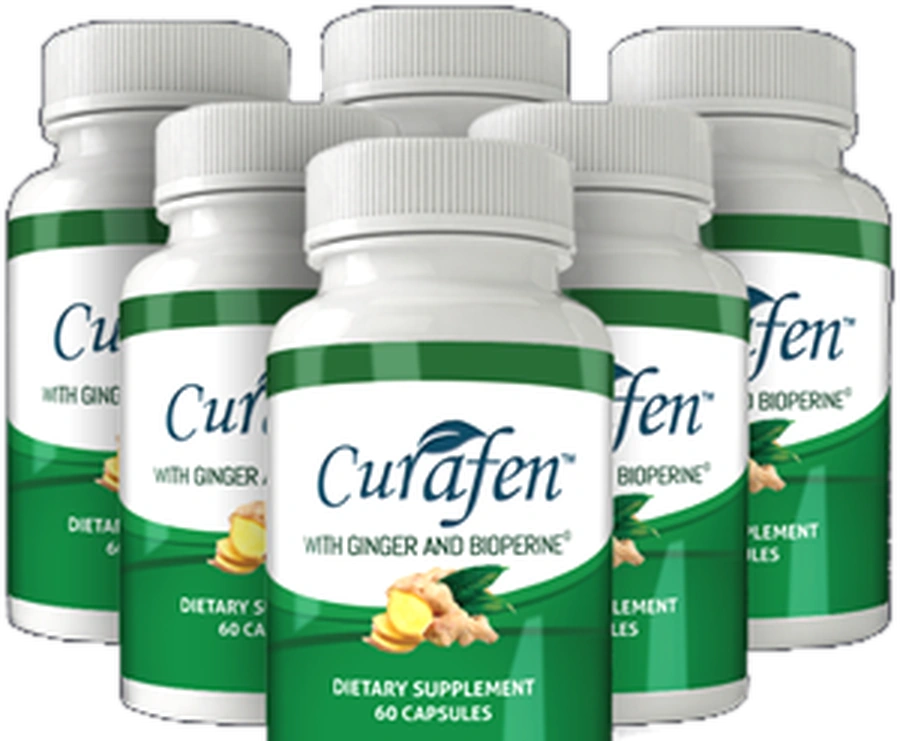
Curafen keeps its label to three studied actives — standardized turmeric, ginger and BioPerine — in a once-daily capsule. The six-bottle bundle is the best per-bottle value, with free U.S. shipping and a 60-day money-back guarantee.
Check today's Curafen pricing →How do the main aching-joints supplements compare?
No single ingredient is the “best” supplement for aching joints; each has a different evidence base and role. The table below maps the most common options so you can see where a turmeric-led formula sits among them. Treat every entry as support for daily habits, never as a treatment. Readers usually go from here to our guide on how to choose a turmeric supplement.
| Supplement | Typical role | Buyer's note |
|---|---|---|
| Turmeric (curcumin) | Antioxidant plant polyphenol for everyday wellness | Look for standardization plus an absorption enhancer; poorly absorbed alone. |
| Ginger | Complementary culinary botanical | Often paired with turmeric; a source of gingerol compounds. |
| Omega-3 fish oil | Part of an anti-inflammatory eating pattern | Check EPA/DHA amounts, not just total fish-oil weight. |
| Glucosamine & chondroitin | Cartilage-associated structural nutrients | Long-studied but mixed results; watch for shellfish sources. |
| MSM | Sulphur-containing compound | Frequently added to blends; look for a disclosed dose. |
| Vitamin D | Supports normal muscle and bone function | Useful if you are low; test rather than guess. |
How do you build aching-joints relief into a daily routine?
Aching-joints relief comes mostly from consistent daily habits, with a supplement as one small, repeatable step rather than the centrepiece. A supplement you forget to take is money wasted, so bolt it onto things you already do:
- Anchor the dose to a meal you never skip — for Curafen, one capsule with breakfast or lunch.
- Keep moving daily, since gentle low-impact activity does more for comfort than any capsule; see our gentle joint exercises.
- Eat for your joints with a colourful, whole-food pattern — our anti-inflammatory diet tips are an easy start.
- Give it several weeks, because botanicals build their support gradually and results vary.
- Buy enough to finish the trial, which is why multi-bottle supplies are common in this category.
What does the evidence actually say — and where is it weak?
Honest buying means being clear about the limits of the evidence, and here the picture is genuinely mixed. Curcumin is one of the most-studied plant compounds and reviews are broadly encouraging for general joint wellness, yet many trials are small, short or industry-funded, so confident medical claims are not warranted. Glucosamine and chondroitin have decades of study with famously inconsistent outcomes; ginger's joint research is promising but thinner. In short, these ingredients are reasonable, well-tolerated supports for a healthy-lifestyle routine — not proven treatments, and no supplement here should be sold as one. When a product's marketing outruns its evidence, that is a reason to walk away.
When should you talk to a doctor before buying?
A supplement decision is also a health decision, so professional input comes first for anyone with a complicating factor. Speak with your doctor or pharmacist before starting an aching-joints supplement if you are pregnant or nursing, under 18, take any medication — especially a blood thinner, since turmeric and ginger can affect clotting — or have a diagnosed condition. Seek prompt care rather than a supplement for a hot, swollen or locked joint, pain that wakes you at night, or discomfort that keeps worsening. Natural supports work alongside medical care, never in place of it. This connects closely with choosing the best supplement for joint pain, which we cover separately.
Frequently asked questions
What are the best supplements for aching joints?
There is no single best supplement for everyone, but the most-studied options for everyday joint comfort include standardized turmeric (curcumin), ginger, omega-3s, glucosamine and MSM. A focused, well-dosed formula with an absorption enhancer tends to be a smarter buy than a long proprietary blend. Supplements support movement and diet rather than treating any condition.
How do I avoid filler blends when buying an aching-joints supplement?
Read the Supplement Facts panel, not the front label. Prefer a short list of named actives with disclosed milligram amounts, be wary of long proprietary blends that hide per-ingredient doses, and check for a standardization figure such as 95 percent curcuminoids. A shorter, honest label usually delivers more of what you are paying for.
Why does curcumin need black pepper or BioPerine?
Curcumin on its own is poorly absorbed, so much of a plain turmeric dose passes through unused. Piperine, the active compound in black pepper sold as BioPerine, has been shown in research to substantially raise curcumin absorption, which is why Curafen pairs standardized turmeric with BioPerine and ginger.
How long do joint supplements take to work?
Botanicals such as turmeric and ginger build their support gradually, so most people give a formula several weeks of consistent daily use before judging it, and results vary from person to person. This is why multi-bottle supplies are common. A supplement is a support to daily habits, not a quick fix or a treatment.
Are cheaper joint supplements a worse buy?
Not always, but price alone tells you little. A cheap bottle packed with under-dosed extras can cost more per effective serving than a focused formula, while an expensive long blend is not automatically better. Compare disclosed doses, standardization and per-serving cost rather than the sticker price.
Can I take a joint supplement with my medication?
Talk to your doctor or pharmacist first, especially if you take a blood thinner or have a diagnosed condition, are pregnant or nursing, or are under 18. Turmeric, ginger and other botanicals can interact with some medicines, so professional guidance comes before any supplement.
Try Curafen risk-free for 60 days →
Curafen is a dietary supplement, not a treatment for any medical condition. These statements have not been evaluated by the Food and Drug Administration. This product is not intended to diagnose, treat, cure or prevent any disease. Always consult a qualified healthcare professional about your individual needs.
References & further reading
- National Center for Complementary and Integrative Health (NCCIH). Turmeric. nccih.nih.gov/health/turmeric
- National Center for Complementary and Integrative Health (NCCIH). Ginger. nccih.nih.gov/health/ginger
- National Center for Complementary and Integrative Health (NCCIH). Glucosamine and Chondroitin for Osteoarthritis. nccih.nih.gov/health/glucosamine-and-chondroitin-for-osteoarthritis
- Shoba G, Joy D, Joseph T, Majeed M, Rajendran R, Srinivas PS. Influence of piperine on the pharmacokinetics of curcumin in animals and human volunteers. Planta Medica, 1998. Shoba et al. — Influence of piperine on the pharmacokinetics of curcumin (Planta Medica, 1998)
- Examine.com. Curcumin — evidence-based summary. examine.com/supplements/curcumin
- Mayo Clinic. Dietary supplements: What to know before you buy. mayoclinic.org/…/supplements
These references describe the ingredients and shopping principles in general terms and do not constitute evidence that any product treats, cures or prevents any condition.
Keep reading: how turmeric and curcumin work · support healthy joints naturally · back to the Curafen blog · homepage.